
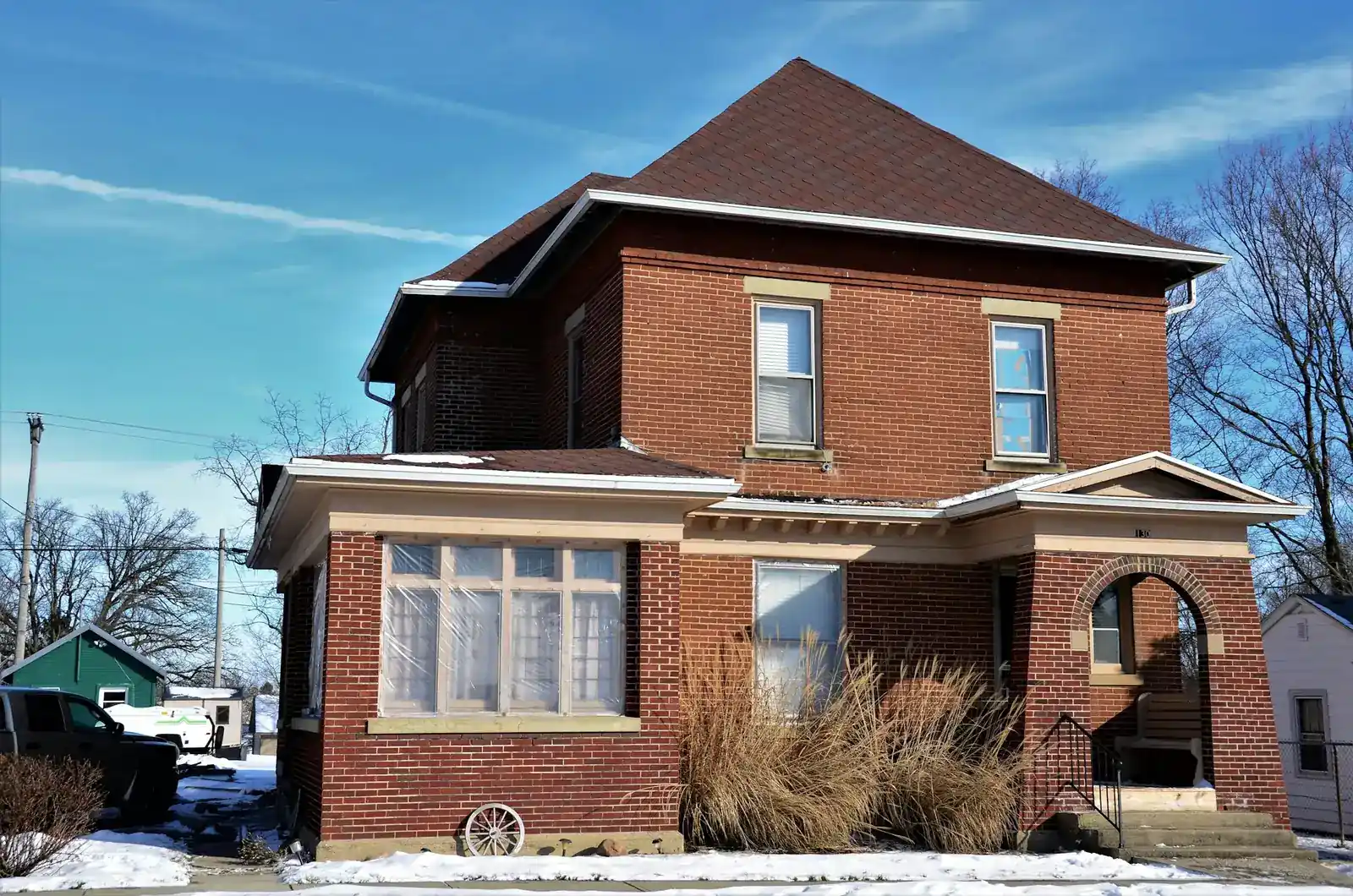
Buying a first rental property is exciting, and it's also where small mistakes get expensive. Whether you're looking at a duplex in Green Bay, a single-family home in Appleton, or a small building in Brillion, the same basic questions apply: Are the numbers realistic? Is the building sound? Do you understand the rules you'll be operating under?
This checklist walks through the essentials. It's general information, not legal, tax, or financial advice, so plan to involve licensed professionals before you sign anything.
For current home prices and fair market rents by county, see our Northeast Wisconsin market snapshot.
1. Know the rules before you own the building
Wisconsin rental housing is governed by state statute and by consumer protection rules that landlords must follow.
- Wisconsin Statutes Chapter 704 covers landlord and tenant relationships, including leases, notices, and security deposits. Read it on the Wisconsin Legislature website.
- ATCP 134 (Residential Rental Practices) sets rules on things like disclosures, earnest money, security deposits, and prohibited lease provisions. See the full text of ATCP 134.
- The Wisconsin Department of Agriculture, Trade and Consumer Protection publishes a plain-language Landlord/Tenant Guide. It's a good first read for new landlords.
- Fair housing applies to advertising, screening, and every interaction with applicants and residents. HUD's Office of Fair Housing and Equal Opportunity explains federal protections, and Wisconsin's Open Housing Law adds state protections. Write ads that describe the property, not the people you hope will live there.
Also check local requirements. Some municipalities have rental registration, inspection, or licensing programs. Call the city or village before you close.
2. Inspect the building like you'll own it for 20 years
A professional home inspection is money well spent. Beyond the standard report, pay attention to:
- Roof, foundation, and drainage. Water is the most common source of expensive repairs.
- Mechanical systems. Ask the age of the furnace, water heater, and electrical panel. Northeast Wisconsin winters are hard on heating systems.
- Lead-based paint. For housing built before 1978, federal law requires specific lead disclosures to buyers and tenants. The EPA explains the real estate disclosure requirements.
- Radon. Radon can be found in Wisconsin homes, and testing is simple and inexpensive. The Wisconsin Department of Health Services has radon information and testing resources.
- Separate utilities. In multi-unit buildings, find out which utilities are metered per unit and which the owner pays.
3. Run conservative numbers
It is easy to underestimate expenses. Before you make an offer, estimate:
- Rent: Use real comparable rents, not the seller's projections. HUD fair market rents are one public reference point.
- Taxes and insurance: Look up the actual property tax bill through the county (for example, Brown County), and get a landlord insurance quote from a licensed agent.
- Set-asides: Budget for vacancy, repairs, capital improvements (roofs, furnaces), and management, even if you plan to self-manage.
- Financing: Your loan terms change the picture significantly. Get actual quotes from lenders.
Our free calculators can help you estimate a mortgage payment, monthly cash flow, cap rate, and cash-on-cash return. They're estimates only, not financial, tax, or investment advice, and they're only as good as the numbers you put in.
4. Review the paperwork
If the property has existing tenants, ask for:
- Copies of all current leases and any written amendments
- A rent roll showing rents, deposits, and lease end dates
- Records of security deposits being transferred at closing
- Recent utility bills and major repair records
Leases generally transfer with the property, so you'll be stepping into those agreements. A Wisconsin real estate attorney can review them before you close.
5. Plan how you'll operate
Decide before you buy:
- Who will handle maintenance calls, including at night and on weekends?
- How will you collect rent and keep records?
- What written, consistent screening criteria will you use for every applicant?
- Will you use a separate bank account for the property? (Keeping property money separate makes bookkeeping and taxes much easier.)
6. Build your team
Many small landlords rely on a few trusted professionals: a lender, a home inspector, an insurance agent, a real estate attorney, and a CPA. Local resources like the UW-Green Bay Small Business Development Center can also help with business planning.
The bottom line
Good rentals are usually bought carefully, not quickly. Learn the rules, inspect thoroughly, use conservative numbers, and get professional advice before you commit.
This article was created with AI assistance and reviewed by a human. It is general information, not financial, legal, tax, or real estate advice. MidWe is not a real estate broker or agent.